
Introduction
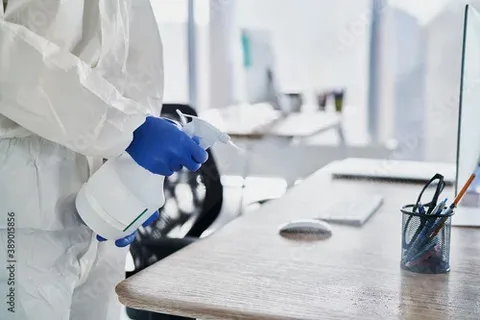
Medical office cleaning in Windsor, ON is far more than a routine chore it is a critical component of patient safety, infection control, and overall healthcare quality. Every surface in a clinic, from the exam room tables to waiting area chairs and restroom fixtures, can harbor bacteria, viruses, and pathogens that pose risks to both patients and staff. Proper medical office cleaning ensures that a facility is not only visually clean but also hygienically safe, meeting stringent regulatory standards specific to Canadian healthcare facilities.
Healthcare environments are unique because they combine high foot traffic, vulnerable populations, and sensitive medical equipment. Neglecting proper cleaning protocols can lead to healthcare-associated infections (HAIs), which the Centers for Disease Control and Prevention (CDC) identifies as a significant cause of morbidity and healthcare costs. For clinics in Windsor, ON, adhering to rigorous cleaning standards also aligns with provincial health guidelines and local public health requirements. Regular cleaning and disinfection reduce the spread of pathogens such as influenza, MRSA, and COVID-19, making medical office cleaning an essential daily practice rather than an occasional task.
In addition to infection control, medical office cleaning reflects a clinic’s professionalism and commitment to patient care. A well-maintained waiting area creates a welcoming environment, while spotless exam rooms build patient confidence in the quality of care provided. From compliance with Occupational Safety and Health Administration (OSHA) guidelines to following CDC-recommended disinfecting procedures, medical office cleaning encompasses a wide range of responsibilities that go beyond surface-level tidiness. Clinics in Windsor, ON, benefit from following these protocols, ensuring patient safety and regulatory compliance.
This article provides a comprehensive, step-by-step guide to medical office cleaning, specifically tailored for facilities in Windsor, ON. It covers every key area, including exam rooms, waiting areas, and restrooms, detailing procedures, best practices, equipment recommendations, and regulatory compliance. By following these guidelines, local clinics can maintain a safe, sanitary environment, reduce the risk of infections, and enhance patient trust.
Section 1: Understanding Medical Office Cleaning
What is Medical Office Cleaning?
Medical office cleaning in Windsor, ON refers to the systematic process of removing dirt, debris, and pathogens from a healthcare environment, focusing on both visual cleanliness and microbial safety. Unlike general office cleaning, medical office cleaning requires specific protocols designed to reduce infection risks and meet healthcare standards.
Every component of a medical facility from patient rooms to reception desks must be cleaned using appropriate disinfectants and procedures to prevent cross-contamination. This includes not only surfaces that are visible to patients but also frequently touched objects, medical equipment, and areas that are often overlooked, such as door handles, light switches, and keyboards.
Importance of Infection Control
The primary goal of medical office cleaning is infection control. Pathogens can survive on surfaces for hours or even days, creating opportunities for transmission. Studies have shown that proper cleaning of high-touch surfaces significantly reduces microbial load, decreasing the risk of HAIs. For healthcare staff in Windsor, ON, maintaining a clean environment protects both their own health and that of patients, particularly those who are immunocompromised.
Effective medical office cleaning follows a hierarchy of infection prevention:
- Cleaning – removing dirt and organic matter that can harbor pathogens
- Disinfecting – using chemical agents to kill germs on surfaces
- Sterilizing (when necessary) – complete eradication of all microorganisms on specific medical equipment
By adhering to these principles, clinics in Windsor, ON can reduce disease transmission and maintain a safe environment for everyone.
Regulatory Standards and Guidelines
Medical office cleaning is not merely a best practice; it is regulated by federal and provincial agencies. The CDC provides detailed guidelines for cleaning and disinfecting healthcare facilities, emphasizing the importance of high-touch surface cleaning and appropriate disinfectant use. In Canada, provincial health authorities, including the Windsor-Essex County Health Unit, outline specific infection control protocols for medical offices.
OSHA standards mandate safe handling of chemicals, proper use of personal protective equipment (PPE), and training for all staff involved in cleaning activities. Failure to comply with these standards can result in legal consequences, patient complaints, and a compromised reputation. Hence, a structured medical office cleaning protocol is essential for both safety and compliance.
Differences Between General and Medical Office Cleaning
Many facilities attempt to apply standard office cleaning practices to medical environments, which is a major mistake. General cleaning focuses on aesthetics dusting, vacuuming, and emptying trash. Medical office cleaning prioritizes hygiene and infection prevention. Key differences include:
- Frequency: High-touch surfaces in clinics require multiple cleanings per day.
- Disinfectants: Only EPA-registered hospital-grade disinfectants or Health Canada-approved products should be used on medical surfaces.
- Procedures: Specific techniques are required for exam tables, medical instruments, and areas prone to contamination.
- Training: Staff must be trained in infection control principles, chemical handling, and proper PPE usage.
Staff Training and Accountability
Proper training is a cornerstone of effective medical office cleaning. Staff in Windsor, ON must understand not only what to clean but also why each procedure is necessary. Training should cover:
- Proper use of cleaning chemicals
- Disinfection techniques for different surfaces
- Identification and handling of biohazardous materials
- Avoiding cross-contamination between rooms
- Frequency and documentation of cleaning procedures
Regular audits and checklists help ensure compliance and maintain high standards. Accountability encourages consistent cleaning practices and demonstrates a clinic’s commitment to patient safety.
Section 2: Cleaning Exam Rooms
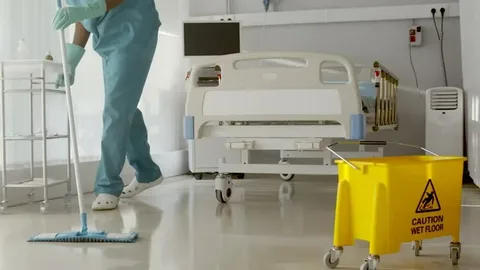
Exam rooms are the heart of any medical facility, and they require the highest standards of hygiene. Effective medical office cleaning in Windsor, ON ensures that every surface in an exam room patient beds, medical equipment, and high-touch surfaces is free from pathogens that can cause infections. Proper cleaning not only protects patients but also staff, ensuring compliance with health regulations and promoting confidence in the facility.
Daily Medical Office Cleaning Procedures for Exam Rooms
Daily cleaning is critical because exam rooms see multiple patients each day, increasing the risk of contamination. A structured routine ensures that every surface is cleaned and disinfected before the next patient enters.
Key Steps for Daily Cleaning:
- Surface Cleaning: Wipe down exam tables, chairs, counters, and countertops with Health Canada-approved disinfectants. Focus on high-touch areas such as light switches, door handles, and keyboards.
- Medical Equipment: Clean and disinfect stethoscopes, blood pressure cuffs, otoscopes, and other reusable devices according to manufacturer instructions and infection control standards.
- Floor Care: Sweep and mop floors with a disinfectant solution, paying special attention to areas around the exam table and patient chairs.
- Waste Management: Empty trash bins daily, segregating general waste from biohazard materials. Dispose of sharps in approved containers and follow local Windsor, ON regulations for hazardous waste.
- Restocking: Replenish disposable supplies such as gloves, tissues, and sanitizing wipes, ensuring staff and patients have access to hygiene products.
Daily procedures are designed to maintain a baseline level of cleanliness, reducing microbial load and preventing cross-contamination between patients.
Weekly Medical Office Cleaning Procedures
Weekly cleaning goes beyond daily maintenance to include areas that are often overlooked but can accumulate dust, dirt, and pathogens over time.
Key Weekly Steps:
- Deep Cleaning of Surfaces: Wipe down walls, window sills, and cabinets. Use disinfectants suitable for healthcare environments to maintain sterile surfaces.
- Equipment Detailing: Remove and disinfect all removable parts of medical equipment, including blood pressure cuffs, trays, and monitor stands.
- Furniture Care: Clean and disinfect chairs, examination stools, and waiting area seating within exam rooms. Check for wear and damage that may harbor germs.
- Floor Maintenance: Conduct a deeper mop or scrub, focusing on corners and under furniture, where dust and debris accumulate.
- Air Quality: Inspect HVAC vents, replace filters if needed, and ensure proper ventilation to reduce airborne pathogens.
Weekly cleaning reinforces daily routines, ensuring that every corner of the exam room remains hygienic and compliant with local health standards in Windsor, ON.
Deep-Clean or Periodic Medical Office Cleaning
Deep-cleaning procedures should be scheduled monthly or quarterly, depending on patient volume and facility size. These are intensive processes designed to address areas not covered in daily or weekly cleaning.
Deep-Clean Steps:
- Equipment Sterilization: Fully sterilize non-disposable medical tools that require autoclaving or chemical sterilization.
- Walls and Ceilings: Wipe down walls, baseboards, and ceilings if necessary, particularly in areas prone to dust accumulation.
- Storage and Cabinets: Empty and disinfect all storage areas, including supply closets and medication cabinets.
- High-Level Disinfection: Apply hospital-grade disinfectants to all surfaces, including exam tables, chairs, and light fixtures.
- Detailed Floor Treatment: Conduct carpet shampooing or floor stripping and sealing if applicable.
Deep-cleaning is essential to maintain a clinic’s hygiene over time and ensures compliance with provincial and local regulations in Windsor, ON.
Disinfectants and Chemicals Used in Exam Rooms
Medical office cleaning relies on safe, effective disinfectants. In Windsor, ON, clinics must choose products that are Health Canada-approved and appropriate for healthcare settings.
Commonly Used Products:
- EPA-registered hospital-grade disinfectants for surfaces
- Alcohol-based solutions for equipment that cannot tolerate water-based cleaners
- Quaternary ammonium compounds for general surface cleaning
- Hydrogen peroxide-based sprays for high-touch areas
It is critical that cleaning staff understand proper dilution, application, and contact time for each disinfectant to ensure maximum efficacy. Misuse can lead to inadequate cleaning and increased infection risks.
High-Touch Areas in Exam Rooms
Medical office cleaning must prioritize surfaces that patients and staff touch frequently, as these are the primary sources of pathogen transmission.
High-Touch Surfaces Include:
- Exam tables and chairs
- Light switches and door handles
- Computer keyboards and mice
- Medical devices and instruments
- Countertops, sinks, and faucets
Consistent disinfection of these areas is non-negotiable in any Windsor, ON clinic aiming to maintain safe, sanitary exam rooms.
Equipment Handling and Staff Safety
Cleaning staff must follow strict safety protocols to prevent exposure to pathogens:
- Wear appropriate PPE: gloves, masks, gowns, and eye protection.
- Never mix cleaning chemicals, as this can create harmful fumes.
- Follow manufacturer guidelines when cleaning sensitive medical equipment.
- Dispose of contaminated materials according to provincial regulations.
Proper training in equipment handling and chemical safety ensures that medical office cleaning is both effective and safe for staff.
Section 3: Cleaning Waiting Areas
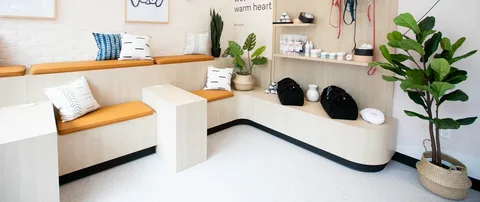
The waiting area is the first point of contact for patients visiting a clinic in Windsor, ON. Maintaining a clean, hygienic waiting space is essential not only for infection control but also for creating a professional and welcoming environment. Medical office cleaning in waiting areas requires special attention because these spaces are high-traffic, shared by multiple patients and staff, and often overlooked in standard cleaning routines.
Key Principles for Cleaning Waiting Areas
Effective medical office cleaning in waiting areas focuses on three main principles:
- High-Touch Surface Disinfection: Patients constantly touch chairs, tables, magazines, toys, and handrails, creating a potential vector for pathogens. High-touch surfaces should be disinfected multiple times per day using Health Canada-approved cleaning agents.
- Visual Cleanliness: A visibly clean space reassures patients about the quality of care they will receive. Regular dusting, floor care, and tidying of items such as magazines and brochures contribute to this perception.
- Air Quality Maintenance: Waiting areas often contain HVAC vents, open windows, or poor ventilation, which can contribute to the spread of airborne pathogens. Medical office cleaning protocols must include ventilation checks and air filter maintenance.
Daily Cleaning Procedures for Waiting Areas
Daily cleaning of waiting areas ensures that surfaces and shared items do not become reservoirs of bacteria or viruses.
Steps for Daily Cleaning:
- Furniture: Wipe down chairs, couches, and armrests with hospital-grade disinfectants. Pay particular attention to surfaces that patients touch frequently.
- Tables and Counters: Clean reception desks, coffee tables, and side tables with disinfectant wipes or sprays.
- Floors: Sweep or vacuum floors to remove debris, followed by mopping with a disinfectant solution. Hard floors and carpeted areas require different cleaning approaches to maintain hygiene without damaging surfaces.
- Toys and Shared Items: Clean and disinfect toys, puzzles, or interactive devices in pediatric waiting areas. Rotate items to allow thorough cleaning.
- High-Touch Objects: Door handles, elevator buttons, light switches, and hand sanitizer dispensers should be disinfected at least twice daily.
- Waste Management: Empty trash bins and replace liners daily, separating biohazard waste if necessary.
Weekly Cleaning Procedures
Weekly cleaning goes beyond routine tasks to address areas that accumulate dust, germs, or hidden debris.
Steps for Weekly Cleaning:
- Furniture Deep Clean: Use appropriate cleaners for leather, vinyl, or fabric surfaces. Remove cushions if possible to disinfect hidden areas.
- Windows and Sills: Wipe down window ledges, blinds, and sills to remove dust and pathogens.
- Decor and Accessories: Disinfect light fixtures, bulletin boards, and wall-mounted devices that may accumulate dust.
- Floors and Carpets: Perform more intensive cleaning, including scrubbing, shampooing, or steam cleaning carpets.
- Air Quality Checks: Inspect HVAC filters and replace or clean as needed. Proper airflow reduces airborne contaminants in shared spaces.
High-Touch Areas in Waiting Rooms
Medical office cleaning emphasizes high-touch points because these are primary vectors for infection transmission. In Windsor, ON clinics, common high-touch areas include:
- Seating surfaces (chairs, couches, benches)
- Reception counters and payment terminals
- Magazines, brochures, and pamphlets
- Door handles, push plates, and handrails
- Shared technology, such as kiosks, tablets, or check-in devices
- Children’s play areas, including toys and interactive elements
Sanitizing Shared Items and Surfaces
Disinfecting shared items in waiting areas requires careful consideration:
- Toys: Use EPA-registered or Health Canada-approved disinfectants. Rotate toys daily to allow for cleaning time.
- Magazines and Books: Remove damaged or difficult-to-clean items and replace with easily sanitized alternatives.
- Electronic Devices: Wipe touchscreens, keyboards, and kiosks with alcohol-based disinfectants safe for electronics.
Floors, Carpets, and Flooring Materials
Waiting areas often include a mix of hard floors and carpets. Each type requires a tailored approach:
- Hard Floors: Sweep, mop, and disinfect daily using non-abrasive solutions. Ensure corners and under furniture are cleaned thoroughly.
- Carpets: Vacuum daily, and deep-clean weekly or monthly depending on traffic. Use HEPA-filter vacuums to reduce airborne dust and pathogens.
Air Quality and Ventilation
Air circulation is critical in maintaining a healthy waiting area. Medical office cleaning protocols should include:
- Checking HVAC vents for dust accumulation
- Replacing or cleaning air filters regularly
- Using portable air purifiers where necessary, especially in high-traffic areas
Staff Training and Safety
Staff responsible for medical office cleaning in waiting areas must follow proper safety protocols:
- Wear gloves and, when necessary, masks or gowns during high-contact cleaning
- Avoid cross-contamination by using separate cloths for different areas
- Follow manufacturer guidelines for chemical use and contact time
- Ensure proper disposal of waste, especially in pediatric or biohazard-prone areas
Special Considerations for Windsor, ON Clinics
In Windsor, ON, medical offices may see high seasonal patient volumes, especially during cold and flu season. Maintaining strict medical office cleaning protocols in waiting areas during these periods is essential to prevent outbreaks. Local health authorities also emphasize proper disposal of tissues, frequent disinfection of toys, and maintaining high ventilation standards.
Section 4: Cleaning Restrooms
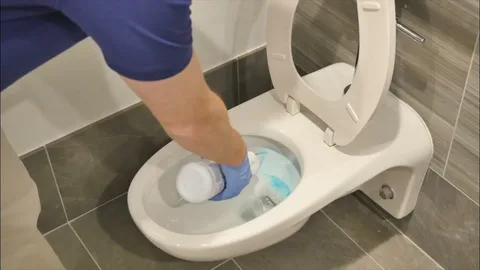
Restrooms in medical facilities are high-risk areas for pathogen transmission. Maintaining cleanliness in these spaces is essential for patient safety, staff hygiene, and regulatory compliance. Effective medical office cleaning in Windsor, ON ensures that restrooms remain sanitary, odor-free, and fully stocked, minimizing the spread of infections and maintaining the clinic’s professional reputation.
Key Principles for Restroom Cleaning
Medical office cleaning in restrooms requires a structured approach that prioritizes infection control and patient safety:
- High-Touch Surface Disinfection: Fixtures, door handles, faucets, and dispensers are frequently touched and require rigorous disinfection multiple times per day.
- Waste Management: Proper handling of trash, biohazard waste, and sharps prevents contamination and aligns with local health regulations in Windsor, ON.
- Odor Control: Regular cleaning, ventilation, and use of appropriate disinfectants help maintain a fresh and sanitary environment.
- Compliance: Adherence to Health Canada-approved cleaning agents and provincial guidelines ensures legal and health compliance.
Daily Cleaning Procedures
Daily cleaning of restrooms addresses surface hygiene, waste disposal, and overall sanitation.
Steps for Daily Cleaning:
- Toilets and Urinals: Clean and disinfect all surfaces, including seats, handles, and flush mechanisms. Use EPA-registered disinfectants or Health Canada-approved solutions suitable for healthcare facilities.
- Sinks and Faucets: Disinfect sinks, faucets, and surrounding counters to remove germs and prevent buildup. Pay attention to soap dispensers and handles.
- Mirrors and Fixtures: Wipe down mirrors, light fixtures, and any stainless-steel surfaces to remove water spots, smudges, and fingerprints.
- Floors: Sweep and mop with hospital-grade disinfectants, focusing on areas around toilets and sinks. Floors in restrooms are a common source of contamination and must be sanitized thoroughly.
- Waste Disposal: Empty trash bins, replace liners, and manage sanitary disposal containers according to local Windsor, ON regulations.
- Restocking: Replenish toilet paper, paper towels, soap, and hand sanitizer. Proper stock maintenance ensures hygiene and patient satisfaction.
Weekly Cleaning Procedures
Weekly cleaning goes beyond daily maintenance to target hidden areas, reduce buildup, and improve overall hygiene.
Steps for Weekly Cleaning:
- Deep Disinfection: Clean walls, baseboards, and partition doors using hospital-grade disinfectants.
- Fixtures and Hardware: Remove removable parts of faucets, soap dispensers, and flush handles for thorough cleaning.
- Floor Drains: Inspect and disinfect floor drains to prevent odor and bacterial buildup.
- Ventilation: Clean air vents and check for adequate airflow to reduce airborne pathogens.
- Storage Areas: Disinfect janitorial closets and supply shelves to maintain overall restroom hygiene.
High-Touch Surfaces in Restrooms
High-touch areas in restrooms are critical points for medical office cleaning:
- Toilet handles and flush buttons
- Sink faucets and soap dispensers
- Door handles, push plates, and stall locks
- Hand dryers or paper towel dispensers
- Countertops and ledges
Frequent disinfection of these surfaces significantly reduces microbial load, protecting patients and staff from potential infections.
Odor Control and Hygiene
Maintaining a fresh and hygienic restroom environment requires more than cleaning surfaces. Effective odor control strategies include:
- Ensuring proper ventilation through functional HVAC systems or exhaust fans
- Using hospital-grade disinfectants with deodorizing properties
- Emptying trash and sanitary waste regularly
- Inspecting plumbing for leaks or stagnant water, which can harbor bacteria
Staff Safety During Restroom Cleaning
Medical office cleaning staff must follow strict safety protocols while disinfecting restrooms:
- Wear gloves, masks, and protective eyewear to prevent exposure to pathogens and chemicals
- Use separate cloths or mops for each restroom to avoid cross-contamination
- Follow proper dilution and contact time instructions for disinfectants
- Dispose of waste according to local Windsor, ON health and safety regulations
Special Considerations for Windsor, ON Clinics
Restrooms in Windsor, ON clinics often experience high patient volume, especially during flu and cold seasons. Additional precautions may include:
- Increasing frequency of high-touch surface disinfection
- Ensuring adequate hand hygiene supplies for patients and staff
- Using touchless dispensers to reduce surface contact and contamination
- Scheduling periodic deep-cleaning and inspections to maintain compliance with provincial and municipal health standards
Section 5: Tools, Equipment, and Supplies for Effective Medical Office Cleaning
The effectiveness of medical office cleaning in Windsor, ON depends heavily on the tools, equipment, and chemical agents used to execute cleaning protocols. Even the most detailed procedures fail if the wrong materials are used or if tools are poorly maintained. In healthcare environments, equipment must not only remove visible soil but also eliminate microbial contamination without damaging sensitive medical surfaces. The difference between average cleaning and professional medical office cleaning is often determined by the quality and management of supplies.
Microfiber technology has become the industry standard in healthcare environments because of its superior ability to trap and remove microorganisms. Unlike traditional cotton cloths that tend to push contaminants across surfaces, microfiber physically captures particles within its fibers. In medical office cleaning, cloth segregation is essential. Color-coded systems are frequently used to prevent cross-contamination between restrooms, exam rooms, and waiting areas. Without clear separation protocols, pathogens can easily transfer from high-risk areas to patient-care zones, undermining infection control efforts.
Floor care equipment must also meet healthcare standards. Flat mop systems with removable microfiber pads allow for controlled disinfectant application and easier sanitation after use. In high-traffic clinics in Windsor, ON, disposable mop heads may be preferred in exam rooms to eliminate any risk of cross-room contamination. Carpeted waiting areas require HEPA-filter vacuums capable of capturing fine particles and airborne contaminants. Standard vacuums can recirculate dust and microbes into the air, which directly contradicts the goals of medical office cleaning.
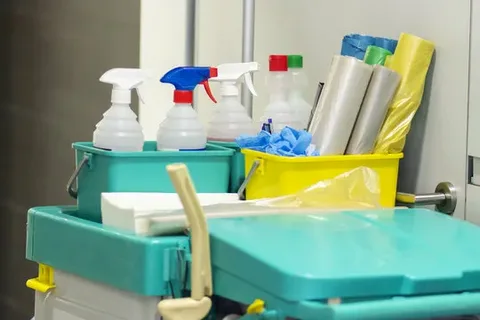
Cleaning carts serve as mobile control stations during medical office cleaning operations. A properly organized cart separates clean supplies from used materials and ensures that disinfectants are stored safely and clearly labeled. Without structured organization, the risk of accidental contamination increases. Carts must be disinfected regularly, particularly when moving between exam rooms and common areas. Poor cart hygiene is an overlooked weakness in many facilities.
The selection of disinfectants is one of the most critical components of medical office cleaning in Windsor, ON. Healthcare settings require Health Canada-approved disinfectants with proven efficacy against a broad spectrum of pathogens. These products must have appropriate contact times, meaning the surface must remain visibly wet for a specified duration to ensure microbial kill. One of the most common failures in medical office cleaning is allowing disinfectants to dry too quickly, which significantly reduces effectiveness. Staff must understand dwell time requirements and surface compatibility before application.
Alcohol-based solutions are commonly used for small medical devices and electronics because they evaporate quickly and leave minimal residue. Equipment such as blood pressure cuffs, stethoscopes, keyboards, and touchscreens must be disinfected without causing corrosion or damage. Hydrogen peroxide-based cleaners are increasingly used in exam rooms because they provide strong antimicrobial action while producing fewer harsh chemical residues. These solutions are often preferred in clinics seeking both performance and reduced environmental impact, though infection control always takes priority over sustainability preferences.
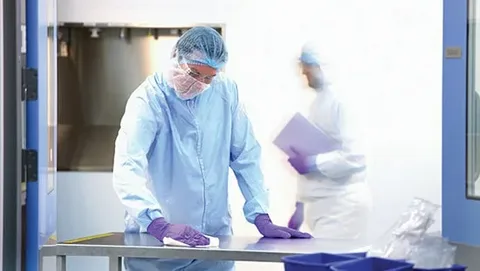
Personal protective equipment is mandatory during medical office cleaning tasks. Gloves must be changed between rooms to prevent cross-contamination, and masks or eye protection may be required when handling chemicals or cleaning high-risk surfaces. Protective gowns are essential when dealing with potential biohazard exposure. Staff safety protocols are not optional; improper PPE use exposes workers to pathogens and undermines compliance with occupational safety standards in Windsor, ON.
Advanced disinfection technology has also become part of modern medical office cleaning strategies. Electrostatic sprayers distribute disinfectant in a way that allows particles to wrap around surfaces, improving coverage in complex environments. Ultraviolet light systems may be used as supplemental disinfection tools, particularly in exam rooms with high patient turnover. However, these technologies do not replace manual cleaning. Organic material must first be physically removed before advanced systems can be effective.
Waste management supplies are another essential component of medical office cleaning. Sharps containers, biohazard disposal bags, and clearly labeled waste bins must be readily available and properly maintained. Improper segregation of medical waste creates regulatory risk and serious health hazards. In Windsor, ON, clinics must follow municipal and provincial disposal regulations, and failure to do so can result in penalties or inspections.
Equipment maintenance is just as important as equipment selection. Microfiber cloths must be laundered at high temperatures, mop handles and buckets must be disinfected after use, and vacuum systems must be emptied and sanitized regularly. Using contaminated cleaning tools defeats the purpose of medical office cleaning. Regular inspections ensure that worn or damaged equipment is replaced before it compromises sanitation standards.
Inventory control is often overlooked but directly impacts cleaning consistency. Running out of disinfectant, gloves, or paper products disrupts workflow and may lead to corners being cut. Clinics should implement structured inventory tracking systems to maintain uninterrupted medical office cleaning operations. Secure storage areas with accessible safety data sheets ensure compliance and protect staff handling chemicals.
Ultimately, tools and supplies determine whether medical office cleaning is superficial or clinically effective. In Windsor, ON healthcare facilities, maintaining infection control standards requires investment in appropriate equipment, proper chemical selection, strict PPE protocols, and consistent maintenance systems. When these components function together, medical office cleaning becomes a controlled infection prevention process rather than a routine housekeeping task.

Section 6: Staff Training, Documentation, Compliance, and Quality Control Systems
Medical office cleaning in Windsor, ON is only as strong as the people executing it. Protocols, disinfectants, and equipment mean nothing if staff are poorly trained, inconsistent, or unaware of infection control principles. In healthcare environments, cleaning is a controlled process tied directly to patient safety outcomes. That means training must be structured, documented, and continuously reinforced.
Effective training begins with foundational infection prevention knowledge. Staff involved in medical office cleaning must understand how pathogens spread, how long they survive on surfaces, and why high-touch areas pose greater risks. Without this understanding, cleaning becomes mechanical rather than intentional. When workers know that a door handle or exam table can act as a transmission point, attention to detail improves significantly. Training should explain the science behind disinfection, including microbial load reduction, chemical dwell time, and cross-contamination pathways.
Chemical competency is another critical component. Medical office cleaning requires precise dilution ratios, correct application methods, and adherence to manufacturer instructions. Over-diluting disinfectants reduces effectiveness, while improper mixing can create hazardous reactions. Staff must be trained to read product labels, interpret safety data sheets, and apply solutions safely. In Windsor, ON healthcare settings, compliance with occupational health standards demands documented chemical handling training for anyone responsible for cleaning tasks.
Room sequencing and workflow design are often overlooked but essential to quality control. Staff performing medical office cleaning should move from low-risk areas to high-risk areas, never the reverse. For example, waiting areas should be cleaned before restrooms to prevent pathogen transfer. Within exam rooms, cleaning should proceed from cleaner surfaces to more contaminated zones. Structured sequencing reduces the chance of spreading microorganisms between surfaces.
Documentation transforms cleaning from a routine task into a measurable compliance system. Cleaning logs should record date, time, area cleaned, and the individual responsible. These logs create accountability and provide evidence of adherence to medical office cleaning standards during inspections or audits. In Windsor, ON, maintaining proper documentation helps clinics demonstrate compliance with provincial health regulations and infection control requirements. Without records, even well-executed cleaning can appear inconsistent or unverifiable.
Quality assurance systems are necessary to validate performance. Supervisors should conduct regular inspections using standardized checklists tailored to exam rooms, waiting areas, and restrooms. These inspections should evaluate surface cleanliness, proper chemical usage, waste disposal compliance, and PPE adherence. Random audits reinforce expectations and identify gaps before they become systemic problems. Medical office cleaning must be evaluated continuously, not only during scheduled reviews.
Ongoing training is equally important. Healthcare guidelines evolve, new pathogens emerge, and cleaning technologies improve. Annual refresher training ensures staff remain aligned with current infection control practices. During flu season or public health alerts in Windsor, ON, clinics may need to increase cleaning frequency or adjust disinfectant selection. Staff must be informed promptly and retrained when procedures change. Static training programs lead to outdated practices.
Accountability structures strengthen consistency. Each cleaning staff member should understand their designated zones and responsibilities. Clear role definitions prevent tasks from being overlooked or duplicated. Supervisors should review performance metrics regularly and address deficiencies immediately. In medical office cleaning, small lapses can lead to significant infection risks, so corrective action must be direct and timely.
Communication between cleaning personnel and clinical staff is another essential factor. Medical office cleaning does not operate in isolation from healthcare delivery. Nurses and physicians must report spills, contamination incidents, or equipment exposure promptly so cleaning teams can respond appropriately. A closed communication loop ensures that contamination events are managed quickly and thoroughly.
Incident response protocols should also be part of staff training. Biohazard spills, exposure to bodily fluids, or accidental chemical misuse require immediate and structured action. Staff must know isolation procedures, proper PPE escalation, and waste disposal steps. In Windsor, ON, adherence to provincial reporting standards may be required for certain exposure incidents. Without a defined response plan, risk escalates rapidly.
Performance evaluation should be tied to infection control outcomes whenever possible. While it may be difficult to measure microbial reduction directly in smaller clinics, trend analysis of inspection reports, complaint logs, and compliance audits can provide valuable indicators. Consistent improvement demonstrates that medical office cleaning is functioning as an infection prevention system rather than a superficial maintenance task.
Leadership commitment ultimately determines the success of any cleaning program. When clinic management prioritizes medical office cleaning as part of patient care rather than a cost center, standards remain high. Adequate staffing levels, proper supply budgets, and realistic scheduling all influence performance. Understaffed or rushed cleaning increases the likelihood of missed surfaces and improper disinfection.
In Windsor, ON healthcare environments, where patient trust and regulatory compliance are critical, structured training, detailed documentation, and rigorous quality control systems form the backbone of effective medical office cleaning. When staff are well-trained, supervised, and supported by clear procedures, cleaning becomes consistent, defensible, and aligned with infection prevention goals.
Section 7: Advanced Disinfection Technologies, Risk Mitigation Strategies, and Emerging Trends in Medical Office Cleaning
Medical office cleaning in Windsor, ON has evolved significantly over the past decade. Traditional manual cleaning remains the foundation of infection prevention, but healthcare environments are increasingly incorporating advanced technologies and risk-based strategies to enhance outcomes. As patient expectations rise and regulatory scrutiny intensifies, clinics must look beyond routine procedures and adopt evidence-based innovations that strengthen sanitation standards without compromising efficiency.
One of the most significant advancements in medical office cleaning is the integration of electrostatic disinfection systems. These devices apply a charged mist that adheres evenly to surfaces, allowing disinfectant particles to wrap around complex shapes such as exam tables, chair legs, and medical equipment. Unlike conventional spray-and-wipe methods, electrostatic application improves coverage consistency. In busy Windsor, ON clinics where exam rooms turn over quickly, this technology can support faster and more uniform disinfection, though it must always follow physical soil removal. Organic matter must be cleaned manually before any disinfectant technology is applied.
Ultraviolet-C light systems represent another supplemental approach in modern medical office cleaning. UV-C devices emit short-wavelength light capable of inactivating bacteria and viruses by disrupting their DNA or RNA. These systems are particularly useful in exam rooms or high-traffic waiting areas during off-hours. However, UV technology is not a replacement for manual cleaning. It cannot remove debris or penetrate shadowed areas effectively. Clinics that implement UV disinfection must treat it as an enhancement layer within a structured cleaning protocol.
Air quality management has also become central to infection control strategies. While surface disinfection is essential, airborne transmission remains a concern in healthcare settings. Advanced medical office cleaning programs now integrate portable HEPA air filtration systems, improved HVAC maintenance schedules, and increased ventilation rates. In Windsor, ON, seasonal illness surges can increase patient volume and airborne exposure risks. Ensuring proper air circulation reduces the concentration of aerosolized pathogens in waiting areas and exam rooms.
Digital tracking and accountability systems are emerging as powerful tools for quality assurance. Some healthcare facilities now use software platforms that log cleaning schedules, verify task completion, and generate compliance reports. These systems create transparency and measurable performance metrics within medical office cleaning operations. Barcode scanning or QR-based verification in specific rooms can confirm that procedures were completed at scheduled intervals. This level of documentation strengthens inspection readiness and internal quality audits.
Risk-based cleaning models are replacing rigid time-based routines in many advanced programs. Instead of cleaning every area with identical frequency, medical office cleaning protocols are adjusted based on patient volume, procedure type, and exposure risk. For example, an exam room used for minor surgical procedures may require intensified disinfection compared to a consultation-only room. By allocating resources according to risk level, clinics in Windsor, ON can optimize both safety and efficiency.
Surface material innovation also plays a role in modern infection prevention. Antimicrobial coatings and copper-infused hardware are increasingly used in healthcare environments to reduce microbial survival on high-touch surfaces. While these materials do not eliminate the need for medical office cleaning, they can reduce pathogen persistence between cleaning cycles. Facilities considering such upgrades must evaluate cost-effectiveness and compatibility with existing disinfectants.
Environmental sustainability is another emerging consideration. Some Windsor, ON clinics are evaluating environmentally responsible cleaning agents that reduce chemical exposure while maintaining antimicrobial effectiveness. Hydrogen peroxide-based disinfectants and concentrated dilution systems minimize packaging waste and chemical runoff. However, infection control remains the primary objective. Sustainable practices must never reduce microbial kill performance or compromise compliance standards.
Preparedness planning has also become a permanent feature of advanced medical office cleaning strategies. The COVID-19 pandemic highlighted the need for scalable cleaning protocols during public health emergencies. Clinics must maintain contingency plans that allow rapid increases in cleaning frequency, stockpiling of disinfectants and PPE, and temporary workflow adjustments. Emergency response frameworks should be documented and rehearsed to prevent operational disruption during outbreak situations.
Continuous improvement is the defining characteristic of a mature cleaning program. Clinics that conduct periodic risk assessments, review inspection data, and incorporate new technologies demonstrate proactive infection control leadership. Medical office cleaning is not static; it evolves in response to scientific research, regulatory updates, and emerging pathogens. Facilities that fail to adapt risk falling behind compliance expectations and patient safety standards.
In Windsor, ON healthcare environments, advanced technologies and strategic planning strengthen the overall effectiveness of medical office cleaning. When manual disinfection, air management, digital tracking, and risk-based scheduling operate together, cleaning becomes an integrated infection prevention system. The goal is not simply to meet minimum standards, but to create a resilient and defensible sanitation framework that protects patients, staff, and the clinic’s professional reputation.
Conclusion
Medical office cleaning in Windsor, ON is not a background operational task. It is a structured infection control system that directly influences patient safety, regulatory compliance, staff protection, and public trust. From exam rooms to waiting areas and restrooms, every space inside a healthcare facility carries contamination risk. Managing that risk requires consistency, precision, documentation, and accountability.
Exam rooms demand the highest level of attention because they involve direct patient contact and potential exposure to bodily fluids. Thorough disinfection of exam tables, medical equipment, high-touch surfaces, and flooring reduces the likelihood of cross-contamination between appointments. Waiting areas require equally disciplined oversight. These high-traffic environments function as shared contact zones, where seating, reception counters, door handles, and air circulation systems must be maintained continuously to reduce pathogen spread. Restrooms present another critical control point. Without structured cleaning protocols, these spaces quickly become reservoirs for microbial transmission. Effective waste management, surface disinfection, ventilation maintenance, and supply restocking are all non-negotiable components of medical office cleaning.
The strength of any medical office cleaning program in Windsor, ON ultimately depends on systems, not effort alone. Proper tools such as microfiber cloths, HEPA-filter vacuums, hospital-grade disinfectants, and protective equipment form the operational backbone. However, tools are only effective when paired with trained personnel who understand infection pathways, chemical dwell times, and cross-contamination prevention. Staff education, documented cleaning logs, inspection audits, and clear accountability structures transform cleaning into a measurable safety process rather than a routine chore.
Advanced technologies such as electrostatic sprayers, UV-C supplementation, digital tracking systems, and enhanced air filtration further strengthen sanitation outcomes when integrated correctly. These innovations do not replace manual disinfection but reinforce it. Healthcare environments that combine structured protocols with modern tools create layered defense systems against infection transmission.
Consistency remains the defining factor. Sporadic attention or undocumented procedures weaken even well-designed programs. Clinics that maintain detailed schedules, conduct regular inspections, and adapt to seasonal or outbreak-related risks position themselves for long-term compliance and patient confidence. In Windsor, ON, where healthcare providers operate under provincial oversight and community scrutiny, maintaining high medical office cleaning standards is both a professional responsibility and a competitive advantage.
Ultimately, medical office cleaning is about risk control. It protects vulnerable patients, supports healthcare staff, ensures regulatory alignment, and preserves institutional credibility. When executed with discipline and precision across exam rooms, waiting areas, and restrooms, it becomes an essential pillar of healthcare quality rather than a peripheral service. For clinics seeking structured, compliant, and professionally managed medical office cleaning in Windsor, ON, companies such as Cleaning CAN provide specialized expertise aligned with healthcare-grade sanitation standards.
FAQ
FAQ 1: Why is professional medical office cleaning important for clinics in Windsor, ON?
Professional medical office cleaning is critical because healthcare environments are high-risk areas for infection transmission. Exam rooms, waiting areas, and restrooms host a large volume of patients and staff, making surfaces prone to contamination. Proper cleaning using Health Canada-approved disinfectants reduces pathogens, prevents healthcare-associated infections, and ensures compliance with provincial regulations. In Windsor, ON, clinics that prioritize professional cleaning also demonstrate a commitment to patient safety and overall clinic credibility.
FAQ 2: How often should different areas of a medical office be cleaned?
Cleaning frequency varies based on the area and risk level. Exam rooms should be disinfected after every patient visit, while high-traffic waiting areas require multiple cleanings per day. Restrooms must be sanitized daily and monitored continuously for supplies and hygiene. Weekly cleaning should target floors, walls, and less-visible surfaces, and monthly deep-cleaning ensures equipment, ventilation systems, and storage areas are fully sanitized. Structured schedules help maintain infection control and regulatory compliance.
FAQ 3: What tools and disinfectants are required for medical office cleaning?
Effective medical office cleaning in Windsor, ON relies on specialized tools such as microfiber cloths, HEPA-filter vacuums, flat mops, and organized cleaning carts. Disinfectants must be hospital-grade and Health Canada-approved, including alcohol-based solutions for electronics, quaternary ammonium compounds for general surfaces, and hydrogen peroxide-based cleaners for high-touch areas. Personal protective equipment (PPE) such as gloves, masks, and eye protection is essential to protect staff and maintain safe cleaning practices.
FAQ 4: Can advanced technologies like UV-C or electrostatic sprayers replace manual cleaning?
No. Advanced technologies are supplemental tools, not replacements for manual cleaning. Electrostatic sprayers and UV-C systems enhance disinfection by reaching hard-to-clean surfaces and reducing microbial load, but they cannot remove dirt, organic material, or physical debris. Manual cleaning must always precede technological disinfection to ensure a hygienically safe environment. Combining traditional cleaning with these tools creates a layered and effective infection prevention system.
FAQ 5: How does a company like Cleaning CAN support medical office cleaning in Windsor, ON?
Cleaning CAN provides specialized medical office cleaning services tailored to Windsor, ON clinics. They follow structured protocols for exam rooms, waiting areas, and restrooms, using approved disinfectants, modern equipment, and trained staff. Their services include routine cleaning, deep cleaning, high-touch surface disinfection, and compliance documentation. By outsourcing to a professional provider like Cleaning CAN, clinics can ensure consistent hygiene, regulatory compliance, and a safer environment for patients and staff.