
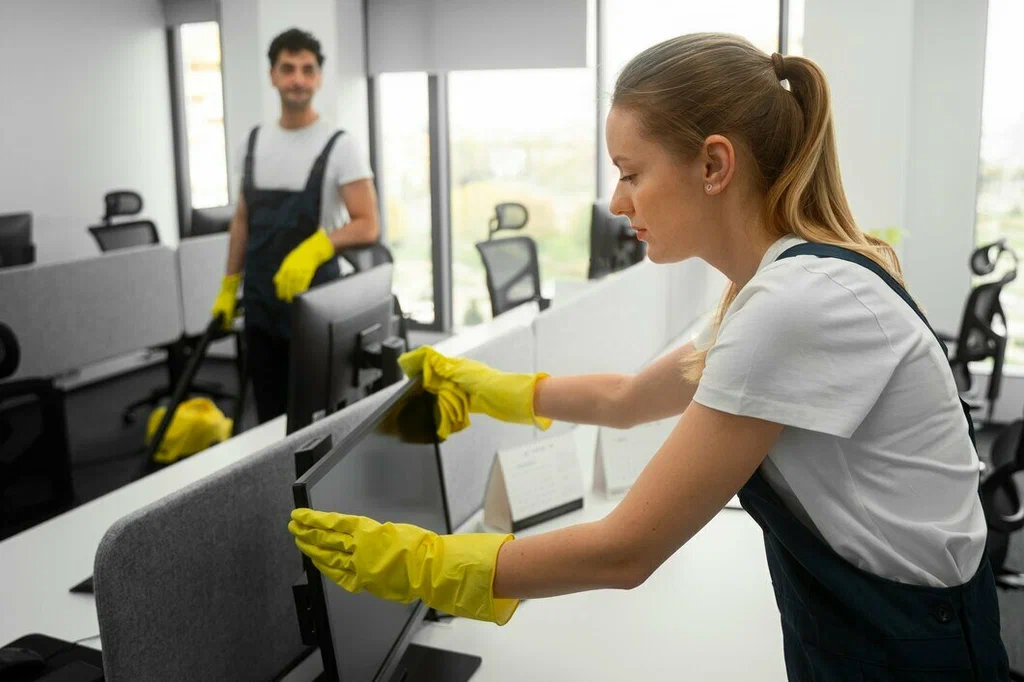
A clean office is more than just visually appealing; it directly affects employee health, morale, and productivity. Maintaining a spotless workspace requires organization and planning, which is where an office cleaning checklist comes into play. This checklist ensures every corner of your office is clean, hygienic, and welcoming. By following a structured approach, businesses can create an environment that is both safe and efficient, impressing clients and fostering employee satisfaction.
Why You Need an Office Cleaning Checklist
An office cleaning checklist is a practical tool that ensures no area is neglected. It helps reduce the spread of germs, allergens, and dust while maintaining a professional atmosphere. A clean workspace also creates a positive impression on clients, visitors, and employees. Moreover, regular cleaning can extend the life of office furniture, carpets, and equipment, ultimately saving money on repairs and replacements. With a checklist, businesses can implement a consistent and thorough cleaning routine that covers every important area.
Daily Office Cleaning Tasks
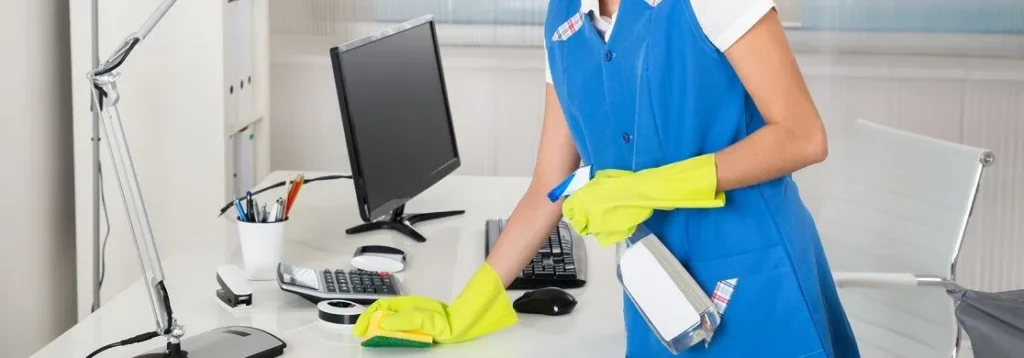
Daily tasks are essential to maintaining a neat and hygienic workspace. These small efforts prevent clutter from accumulating and help control germs. A typical daily office cleaning checklist includes emptying trash bins in all offices, conference rooms, and common areas while replacing liners to prevent odors. Wiping down desks, countertops, and shared equipment such as printers and copiers with disinfectant wipes is essential. High-touch areas like door handles, light switches, keyboards, and phones should be sanitized daily. Finally, floors should be swept or vacuumed to remove dust and debris, keeping the office tidy.
Weekly Office Cleaning Tasks
Weekly cleaning involves areas that may not require attention every day but still need regular maintenance. Dusting surfaces such as shelves, window sills, and decorative items removes accumulated dirt. Restrooms should be thoroughly cleaned, including sinks, toilets, mirrors, and floors, and stocked with soap and paper towels. Floors require mopping or deep cleaning to remove dirt that daily cleaning might miss. Kitchen and break areas also need extra attention, with countertops wiped and appliances like microwaves and refrigerators cleaned. These weekly efforts ensure the office remains hygienic and well-maintained.
Monthly Office Cleaning Tasks
Monthly cleaning focuses on professional cleaning services and maintenance tasks that keep the office in top condition. Cleaning windows, both inside and outside, improves natural lighting and overall office appearance. Furniture should be wiped down and polished to maintain quality and extend lifespan. Air quality can be improved by cleaning vents, replacing filters, and vacuuming behind large appliances to reduce dust and allergens. Carpets and upholstered furniture benefit from professional deep cleaning to remove stains, odors, and embedded dirt. Completing these tasks monthly ensures a high standard of cleanliness throughout the office.
Specialized Cleaning Areas
Certain areas in the office require extra attention due to heavy usage or hygiene concerns. The reception area should be spotless, with clean desks, seating, and waiting spaces to welcome visitors. Meeting rooms require regular sanitizing of tables, chairs, and equipment like projectors or video conferencing devices. Kitchen and pantry areas should have sinks, counters, and appliances disinfected, and trash should be removed daily to prevent pests. Restrooms are another critical area, needing high-grade disinfectants on toilets, faucets, and floors to reduce bacteria. Focusing on these specialized areas enhances workplace safety and cleanliness.
Benefits of Following an Office Cleaning Checklist
Using an office cleaning checklist offers numerous advantages. First, it promotes better employee health by reducing germs and allergens. A clean, organized office also boosts productivity, as employees can focus more easily in a clutter-free environment. Additionally, maintaining a professional appearance impresses clients and visitors, reinforcing a company’s image. Finally, consistent cleaning saves money by extending the lifespan of office furniture, carpets, and equipment. These benefits highlight the importance of a structured cleaning routine.
How to Create an Effective Office Cleaning Checklist
Creating a useful office cleaning checklist is simple when following a few steps. Start by categorizing tasks into daily, weekly, and monthly activities. Assign specific responsibilities to employees or cleaning staff to ensure accountability. Use checkboxes, spreadsheets, or digital tools to track completed tasks. Regularly review and update the checklist to reflect changes in office layout or staffing. By implementing these strategies, businesses can maintain a clean, organized, and productive office environment.
Conclusion
A comprehensive office cleaning checklist is essential for keeping any workplace hygienic, professional, and productive. By addressing daily, weekly, and monthly tasks and focusing on specialized areas, businesses can prevent clutter, reduce germs, and maintain a positive environment for employees and clients. Following a structured cleaning plan not only improves workplace health and efficiency but also saves money over time. Start implementing your customized office cleaning checklist today and enjoy the benefits of a spotless, well-maintained office. If you are in Essex, ON and need professional cleaning services, www.cleaningcan.com is ready to help. Connect with Cleaning CAN to keep your workspace clean, safe, and healthy.
Frequently Asked Questions (FAQs)
What should be included in a daily office cleaning checklist?
A daily checklist should include emptying trash bins, wiping desks and shared equipment, sanitizing high-touch areas like doorknobs and keyboards, and sweeping or vacuuming floors. These tasks prevent clutter and reduce the spread of germs.
How often should deep cleaning be done in an office?
Deep cleaning tasks, such as window washing, carpet cleaning, and air filter replacement, are typically performed monthly. These activities ensure long-term hygiene and maintain the quality of furniture and office equipment.
Can an office cleaning checklist improve employee productivity?
Yes. A clean and organized workspace reduces distractions and promotes a healthier environment, which helps employees focus better and work more efficiently.
Should specialized areas like kitchens and restrooms have separate cleaning schedules?
Absolutely. Kitchens and restrooms are high-traffic areas prone to germs and bacteria. They should be cleaned and disinfected regularly, ideally daily, with deep cleaning scheduled weekly or monthly.
How can businesses ensure their office cleaning checklist is effective?
Businesses should assign clear responsibilities, categorize tasks by frequency, use tracking tools, and review the checklist regularly. Partnering with professional services like Cleaning CAN can also ensure consistent, high-quality cleaning.