
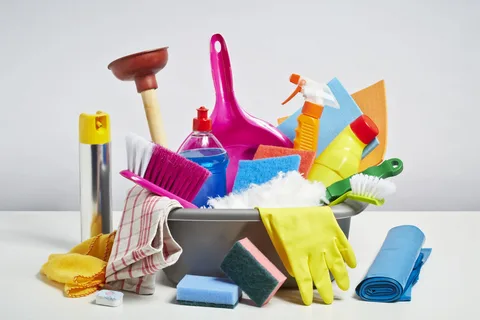
When most people think about hiring a professional cleaning service, they focus on the results the sparkling countertops, streak-free windows, and fresh-smelling carpets. However, what often goes unnoticed is what products are being used to achieve those results and why the choice of cleaning products matters as much as the technique itself. The difference between professional-grade and consumer-grade products is not just marketing hype; it directly impacts cleaning efficiency, health safety, environmental footprint, and even long-term maintenance of surfaces. Understanding these products can help homeowners and businesses make informed decisions about the cleaning services they hire.
Professional-Grade vs. Consumer-Grade Products
Professional cleaning services typically rely on industrial-strength or commercial-grade products rather than the store-bought bottles you might find in a supermarket. The main difference lies in concentration, efficacy, and purpose. Professional products are formulated to handle heavy dirt, grease, and bacteria with less effort and in less time. For example, a professional degreaser can remove years of accumulated kitchen grime that standard household detergents struggle with. Using the right concentration means cleaners can achieve optimal results without excessive scrubbing, which also protects surfaces from damage.
Consumer products, while safe for everyday use, often lack the potency to handle large-scale cleaning projects efficiently. They are usually diluted to minimize risk for home use, which limits their effectiveness against stubborn stains, high-traffic dirt, and germs in commercial environments. Professional services also typically have access to industrial-strength disinfectants, degreasers, descalers, and specialty surface cleaners that are not legally available to the general public due to their chemical strength and handling requirements.
Why Disinfectants and Sanitizers Matter
One of the most critical categories of professional cleaning products is disinfectants and sanitizers. These are designed to kill germs, bacteria, and viruses that regular soaps and detergents cannot eliminate effectively. In offices, schools, hospitals, and homes with high foot traffic, proper disinfecting is not just a matter of appearance it is a matter of health.
Professional-grade disinfectants are selected based on EPA approval, kill claims, and surface compatibility. They are more potent than consumer products, meaning they can sanitize surfaces with a shorter contact time and greater efficacy. For instance, in bathrooms, professional cleaners may use quaternary ammonium compounds (“quats”) or bleach-based solutions that remove bacteria and mold in ways standard household cleaners cannot. The choice of disinfectant matters because improper use can leave pathogens behind or damage surfaces.
Specialty Cleaners for Different Surfaces
Another reason professional cleaning products matter is surface specificity. Hardwood floors, carpets, marble countertops, stainless steel appliances, and glass all require different chemical formulations. Using the wrong product can lead to streaking, dulling, or permanent surface damage.
Professional cleaners use pH-balanced floor cleaners, stone-safe sprays, anti-streak glass solutions, and enzyme-based carpet treatments. For carpets, enzyme cleaners break down organic stains like food or pet accidents more effectively than bleach or general-purpose cleaners, which may only mask the stain temporarily. For kitchens, degreasers with surfactants remove oily residues without damaging countertops. Each product is chosen for its chemical compatibility and cleaning efficiency, ensuring that surfaces not only look clean but are maintained long-term.
Environmental and Health Considerations
Many professional cleaning services also consider the environmental impact and occupant health when choosing products. Eco-friendly or “green” cleaning solutions are increasingly common. These are formulated to minimize volatile organic compounds (VOCs), reduce chemical runoff, and avoid harsh irritants.
While traditional industrial cleaners are effective, they can leave residues, emit strong odors, and cause respiratory or skin irritation if improperly handled. Professionals are trained to use protective equipment and apply chemicals safely, which reduces risks that a homeowner might face when using concentrated solutions themselves. Choosing a service that balances efficacy with safety and sustainability ensures a cleaner, healthier environment without compromising results.
Tools and Delivery Systems Enhance Product Effectiveness
It is not just the chemical formula that matters; it is also how the product is applied. Professional cleaning services often use microfiber cloths, mop systems, and spray equipment that maximize the product’s effectiveness. Microfiber, for example, lifts dirt and bacteria rather than just moving it around. Certain sprays or foams ensure the chemical has proper dwell time on a surface, increasing its ability to disinfect or remove grime.
Even the order of application is strategic. Professional cleaners know which surfaces to treat first, how to avoid cross-contamination, and how to rinse or neutralize chemicals to protect delicate surfaces. This combination of right product + right tool + right technique is what differentiates professional results from a casual home cleaning effort.
Cost vs. Value Consideration
Professional-grade cleaning products are more expensive than standard household cleaners. However, the extra cost is justified because of time efficiency, superior results, and surface preservation. Attempting to replicate professional results with consumer products often takes more time, more effort, and can result in damage, making it ultimately more costly in both labor and potential repairs.
By understanding what products professionals use and why, clients can appreciate the value they are paying for. It is not just the labor; it is the knowledge, selection, and safe application of high-quality cleaning chemicals that makes professional cleaning worth it.
Conclusion: Why It Matters
In summary, the choice of cleaning products in professional services is far from arbitrary. It directly affects cleanliness, hygiene, safety, and longevity of surfaces. From industrial-strength disinfectants to surface-specific cleaners and eco-friendly options, professionals select chemicals that maximize results while minimizing risk.
When hiring a cleaning service, understanding what products are used and why ensures you are not just paying for labor but for a scientifically informed, efficient, and safe cleaning process. Ignoring this aspect can lead to subpar results, wasted money, and even health or property issues. In cleaning, the products are just as important as the technique, and professional services leverage this knowledge to deliver results that are both visible and meaningful.
FAQs
1. What is the difference between professional-grade and consumer-grade cleaning products?
Professional-grade cleaning products are more concentrated and effective than consumer-grade products. They are designed to handle heavy dirt, grease, and bacteria efficiently, while household cleaners are diluted for general, everyday use and may not perform well in large-scale or high-traffic environments.
2. Why do professional cleaning services use industrial-strength disinfectants?
Professional services use industrial-strength disinfectants because they are proven to kill a broader range of germs, bacteria, and viruses with shorter contact times. These products are especially important in offices, schools, and high-traffic areas where health and hygiene are critical.
3. Can using the wrong cleaning product damage surfaces?
Yes. Using the wrong cleaner can cause streaking, discoloration, dullness, or permanent damage to surfaces like hardwood, marble, stainless steel, or carpets. Professional cleaners select surface-specific products to ensure effective cleaning while protecting long-term surface integrity.
4. Are professional cleaning products safe for people and the environment?
When used correctly by trained professionals, cleaning products are safe. Many services also use eco-friendly or low-VOC products to reduce health risks and environmental impact, while still delivering effective cleaning results.
5. Why do professional cleaning services cost more than DIY cleaning?
The cost reflects more than labor. Professional services invest in high-quality products, specialized tools, proper training, and safe application techniques. This results in better efficiency, deeper cleaning, and reduced risk of surface damage providing greater long-term value.