
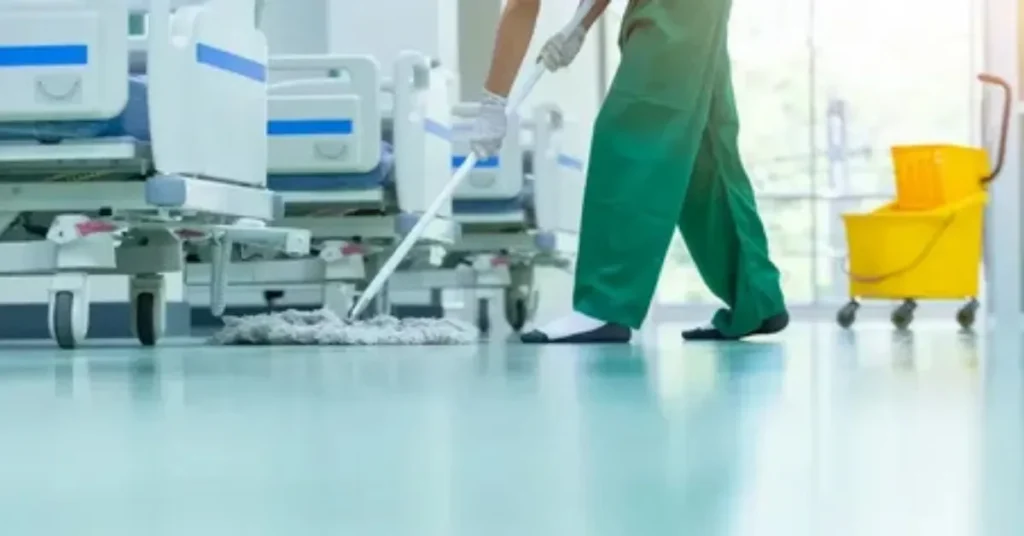
Maintaining cleanliness in healthcare facilities is not just about appearances it is a matter of life and safety. Professional healthcare cleaning ensures that hospitals, clinics, dental offices, and other healthcare environments are sanitized to the highest standards, reducing the risk of infections. Medical cleaning services are specialized sanitation solutions designed to ensure these facilities are free from harmful pathogens. Unlike regular cleaning, these services follow strict protocols and use hospital-grade disinfectants to minimize infection risks, protect patients, and maintain compliance with health regulations. For healthcare providers, investing in professional medical cleaning is essential for both patient care and operational efficiency.
Understanding Medical Cleaning Services
Medical cleaning services focus on sanitizing healthcare environments to prevent the spread of disease. They involve cleaning and disinfecting patient rooms, waiting areas, operating theaters, laboratories, and equipment. Staff are trained in infection control, proper handling of biohazard waste, and regulatory compliance. The goal is not only to clean visibly dirty areas but also to remove microscopic pathogens that could cause hospital-acquired infections. By following CDC and OSHA guidelines, medical cleaning services create safer spaces for patients, staff, and visitors.
Key Components of Medical Cleaning Services
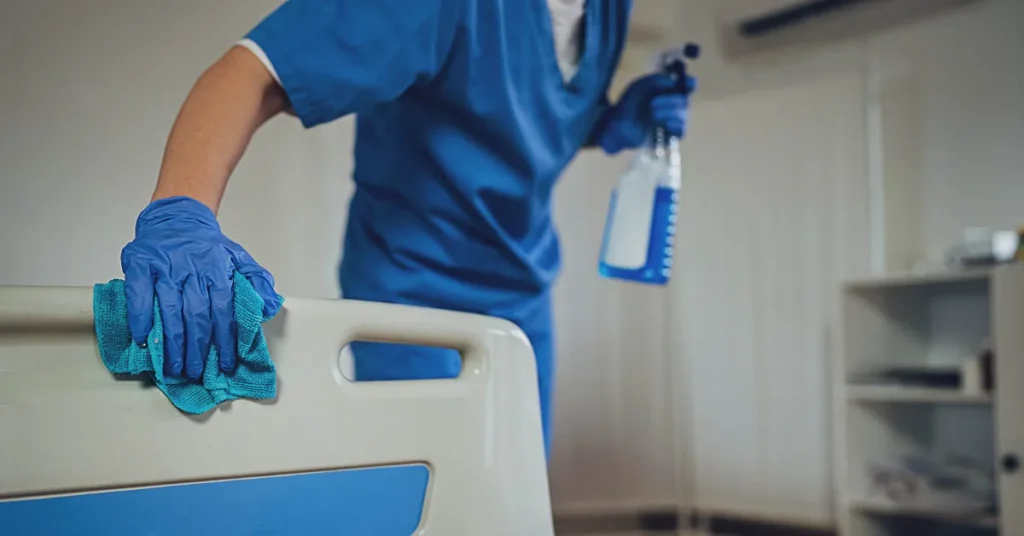
Medical cleaning services involve several specialized tasks that go beyond typical janitorial work. One major component is disinfection and sterilization, particularly of high-touch surfaces like doorknobs, bed rails, and medical instruments. Using hospital-grade disinfectants, these services ensure that harmful bacteria and viruses are eliminated effectively. Waste management is another critical aspect, as healthcare facilities generate biohazard materials, sharps, and chemical waste that require safe handling and disposal. In addition, medical cleaning often includes floor and surface care, air purification, and proper ventilation to reduce airborne pathogens and improve overall hygiene.
Why Medical Cleaning Services Are Vital
Medical cleaning services are crucial for several reasons. First, they help prevent hospital-acquired infections (HAIs), which are a significant risk in healthcare environments. Patients with weakened immune systems are especially vulnerable to infections that can result from contaminated surfaces or medical equipment. Rigorous cleaning protocols minimize these risks, protecting both patients and staff.
Second, medical cleaning ensures compliance with regulatory standards. Healthcare facilities must adhere to hygiene requirements set by organizations like OSHA and the CDC. Failure to comply can lead to legal consequences, penalties, and reputational damage. Professional cleaning services provide documentation, staff training, and scheduled cleaning to meet these regulations consistently.
Third, cleanliness directly impacts patient perception and satisfaction. A well-maintained, hygienic environment reassures patients that they are in safe hands, enhancing trust in the facility. Fourth, medical cleaning protects healthcare staff by reducing their exposure to harmful pathogens. A clean workplace reduces illness among staff and supports higher productivity and morale. Finally, medical cleaning services provide specialized sterilization for medical instruments and equipment. Even minor contamination can have severe health consequences, so trained staff use advanced techniques to ensure every tool is safe for use.
Common Types of Medical Cleaning Services
Healthcare facilities require different cleaning approaches based on the area and type of service. Routine cleaning involves daily or weekly sanitation of patient rooms, waiting areas, restrooms, and common spaces. Deep cleaning is an intensive process conducted periodically to eliminate hidden bacteria and pathogens, often focusing on high-risk areas. Surgical cleaning specifically targets operating rooms and surgical equipment, following strict sterilization protocols. Emergency cleaning addresses immediate sanitation needs after accidents, spills, or contamination incidents. Laboratory cleaning includes strict chemical handling, surface disinfection, and equipment sterilization, ensuring that laboratories meet safety standards.
How to Choose the Right Medical Cleaning Service
Selecting the right provider is essential for effective infection control. Healthcare administrators should prioritize services with experience in medical cleaning, certified staff, and the use of hospital-grade disinfectants. Compliance with regulations, reliability, and the ability to respond to emergencies are also key factors. Checking client reviews and evaluating the service scope can help facilities choose a provider that ensures safety, cleanliness, and operational efficiency.
Conclusion
Medical cleaning services are essential for maintaining safe and hygienic healthcare environments. They prevent infections, protect staff, ensure regulatory compliance, and enhance patient confidence. For healthcare facilities in Windsor, ON, partnering with a trusted provider like Cleaning CAN ensures professional, thorough, and reliable medical cleaning services. With their expertise, facilities can create cleaner, safer spaces that promote health, safety, and well-being for patients and staff alike.
Frequently Asked Questions
What areas do medical cleaning services cover?
They cover patient rooms, operating theaters, waiting areas, laboratories, restrooms, and high-touch surfaces.
How often should medical facilities be cleaned?
Routine cleaning is daily, while deep cleaning and surgical sterilization are scheduled periodically based on facility needs.
Are medical cleaning services safe for patients and staff?
Yes, trained professionals use hospital-grade disinfectants and follow strict safety protocols to ensure minimal exposure risks.
Can medical cleaning services help prevent hospital-acquired infections?
Absolutely. Effective cleaning and sterilization significantly reduce the risk of infections in healthcare settings.
How do I choose the right medical cleaning service?
Look for certified staff, experience in healthcare sanitation, regulatory compliance, and positive client reviews for reliability.